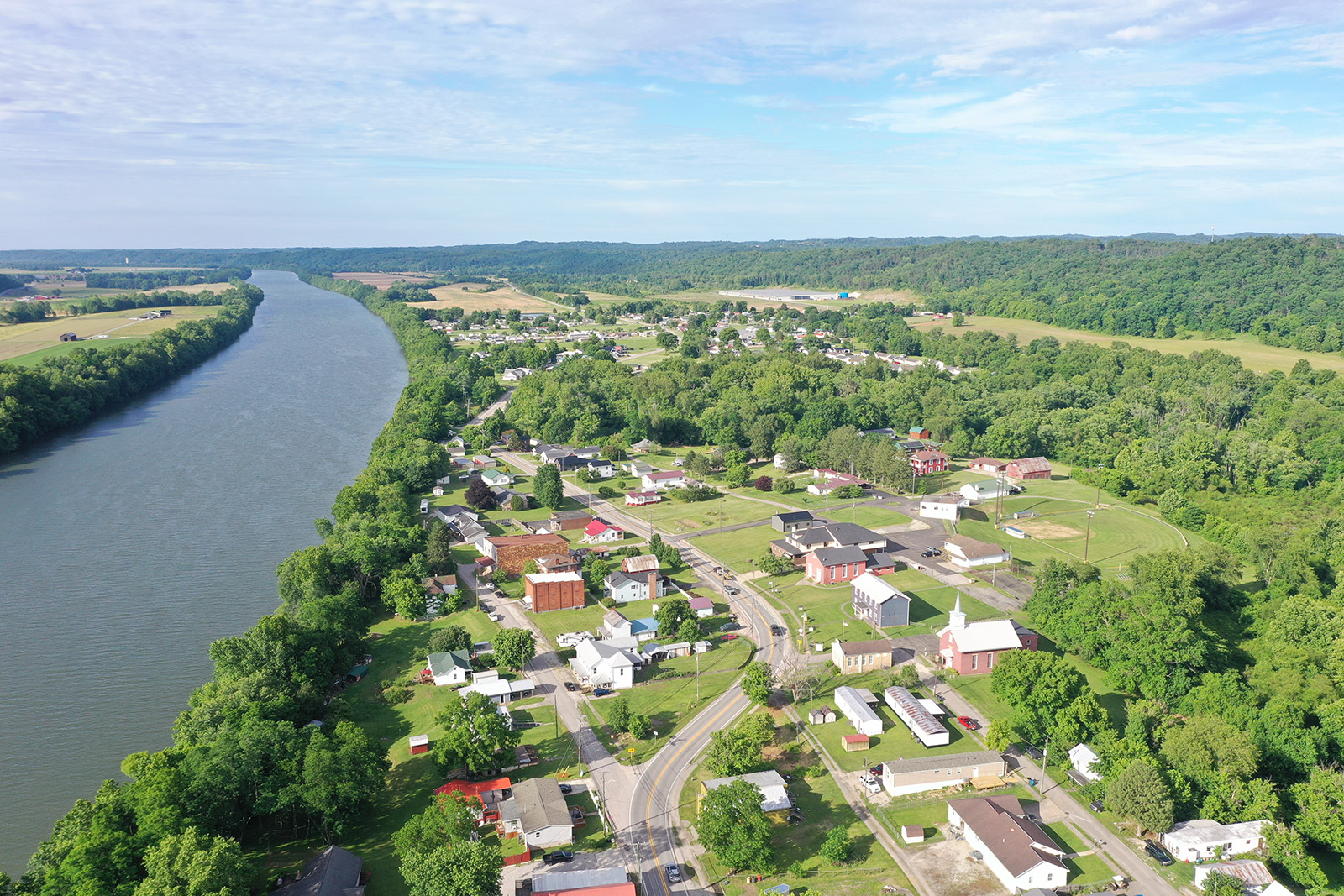
Google is advancing plans for a data center campus in Buffalo, West Virginia with the goal of setting the project up for long-term viability while delivering real, lasting benefits to the local community. We understand that the site has a unique and historic past. We look forward to coordinating with the West Virginia State Historic Preservation Office as we proceed, to ensure these historical attributes are appropriately addressed.
Data centers play a critical role in keeping today’s digital world running, supporting everything from blue collar construction jobs to healthcare systems and financial services to classrooms and public sector operations. With that role comes a commitment to be intentional in how we build, to invest in the places we operate, and to remain open and transparent throughout the process.These upgrades will also bolster the region’s utilities as a whole. Beyond infrastructure investment, Google also partners with local workforce and education organizations to help expand training opportunities for skilled trades and technology careers, including access to no-cost Google Career Certificate programs.
We recognize that projects like this can raise questions—and at times, confusion—about what data centers are and how they function. To help address that, we’ve compiled straightforward, fact-based information so residents can better understand the project and its potential impact on the region.
Google has a proven history of delivering advanced facilities that contribute to local economies, enhance infrastructure, and support both economic development and environmental stewardship over the long term.
At its core, Google takes a unique approach to data center development and we’re enthusiastic about what this opportunity could mean for the Town of Buffalo and Putnam County. We invite the community to explore the details and see how this investment can help drive growth and create positive, lasting outcomes.
Data centers are the heart of the internet and serve as a high-tech “warehouse.” Instead of storing physical goods, it houses thousands of powerful computers called servers that store and process almost everything you do online.
They power essential technologies we rely on every day, from local 911 systems and electronic banking to remote work platforms, video streaming, and email. Data centers also support small businesses by enabling online payments, cloud-based operations, and efficient shipping and logistics. At the same time, they keep critical institutions running, ensuring governments, hospitals, and companies can securely store and share information. Increasingly, they are also driving innovation—providing the computing power behind advancements in artificial intelligence, including tools used for cancer detection, scientific research, and tracking natural disasters like floods and wildfires.
Data centers are major, long-term contributors to local revenue—often becoming one of the largest taxpayers in a community.
Data centers are major, long-term contributors to local revenue—often becoming one of the largest taxpayers in a community.
Data centers deliver strong economic returns with relatively low community disruption compared to other industrial uses.
While the on-site workforce is specialized, the broader economic impact is wide-reaching.

What this looks like locally:
While this project is still in early stages, similar developments typically support 1,000+ construction jobs over time and create hundreds of permanent roles, many with salaries exceeding $100,000.
Google's goal is to be a good neighbor, and that begins with being a valued community partner. We are here to listen and learn what we can do to support Buffalo's unique goals and aspirations. Rather than a one-size-fits-all approach, we focus our investments on three programmatic pillars designed to create lasting, scalable impact.
Through long-term programmatic support, we partner with local community colleges, trade schools, and workforce boards to build talent pipelines for both the skilled trades and digital careers. Our approach focuses on implementing proven training models that prepare new-to-industry talent for careers in construction, fiber optics, and technology. Additionally, we look to provide access to no-cost, job-ready training programs through Google Career Certificates in high-growth fields like IT Support, Data Analytics, and AI.
We work with local institutions like libraries and community centers to help transform them into digital hubs. This initiative goes beyond providing Wi-Fi in public spaces and on school buses; it is about equipping these locations with the tools, training, and STEM makerspaces that allow residents and students to thrive in a digital economy.
We support small businesses and non-profits by equipping them with Google's tools, resources, and expertise. By providing technology and support to help these organizations scale and reach new customers, we aim to drive broader economic growth and resilience throughout the region.

To learn more about the technology, the environment, and the people who make the internet run, we invite you to explore our award-winning podcast and mini-documentary series. Listen to "Where the Internet Lives": Venture behind the scenes into the places few people ever see firsthand and hear stories from our data center communities around the world.
Frequently Asked Questions